Is YouTube Better for Your Kids Than TikTok?
2/14/2025
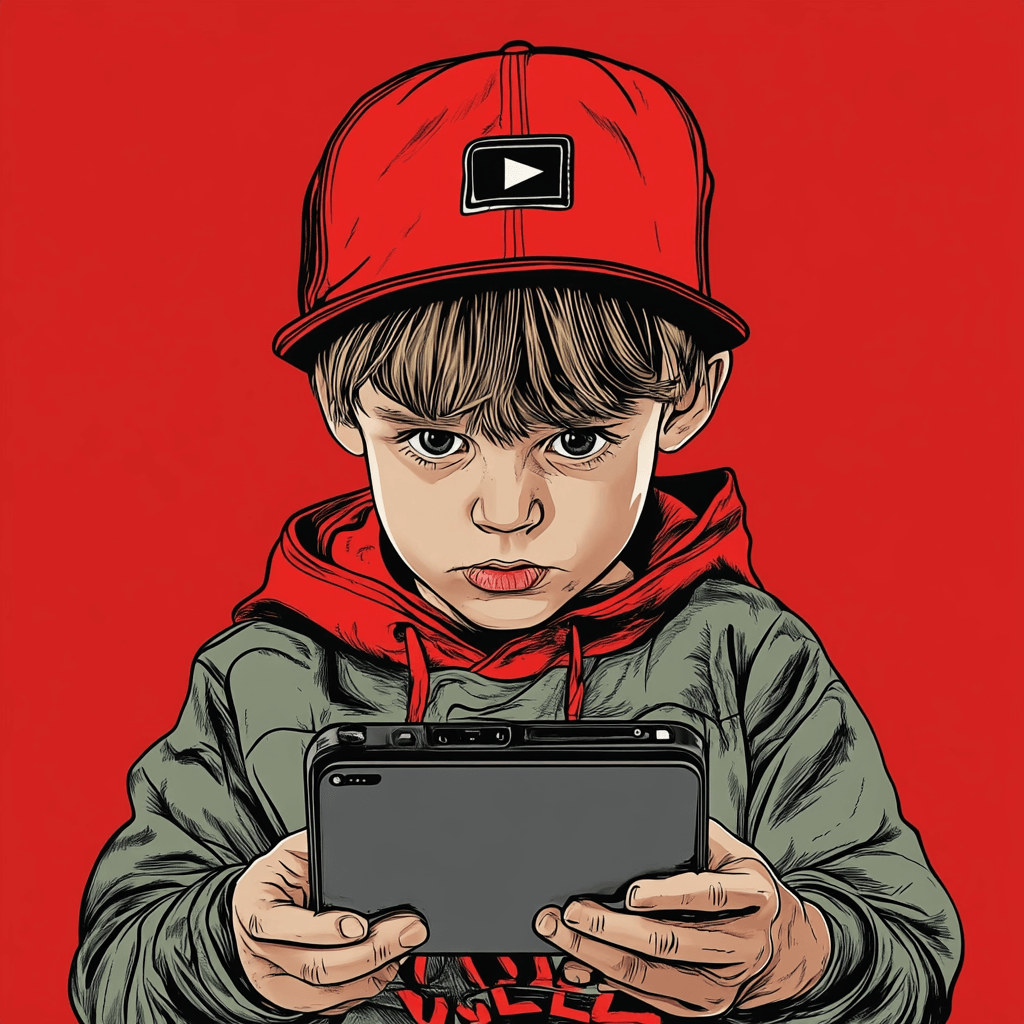
TikTok, the video-focused social media app, spent much of 2025 in the news over a ban Congress passed in 2024. In January 2026, a new majority American-owned company, TikTok USDS Joint Venture, was set up under an executive order signed in September 2025, with safeguards for U.S. users' data, TikTok's algorithm and content moderation. Through all of it, parents kept asking whether the app is safe for their children, or whether alternatives such as YouTube and YouTube Kids are any better.
Understanding YouTube and TikTok: What’s the Difference?
YouTube hosts a wide variety of content, ranging from educational videos, tutorials, music videos, and even full-length movies. It’s popular among children for its diverse content, but it’s also known for its long-form videos, which people use for instruction as well as entertainment, on topics from how to play guitar to improving your golf swing or installing solar panels. There are even videos (parents, take note) on how to skirt or disable parental restrictions.
TikTok is a social media app that has gained massive popularity over the past few years, with its short videos. Users can view and share short videos. Once a person starts using it, the app will offer personalized recommendations based on the user’s viewing and sharing history. The platform tends to cater to younger audiences with its fun, fast-paced content such as dance, music, and fashion video clips. While there are some educational videos on TikTok, such as painting and home improvement videos, the brevity of the format translates to less detailed and comprehensive instructional content. TikTok’s algorithm, which prioritizes viral content, doesn’t necessarily promote in-depth learning.
Entertainment versus Education
Perhaps one of the easiest ways to compare TikTok and YouTube is to consider that while both offer countless entertainment options, YouTube clearly has the edge in instruction and education. With more than 20 million videos uploaded every day (yes, you read that right), YouTube has a wealth of information on nearly every imaginable subject. In addition to educational content offered by CrashCourse, TED-Ed, and Khan Academy, there are channels dedicated to STEM (Science, Technology, Engineering, and Math) subjects, history, art, language learning, and even DIY projects. Numerous channels dedicated to children’s education (PBS Kids, National Geographic Kids, and StoryBots) provide still more hours of engaging learning experiences.
Which Provides Better Parental Control?
Both YouTube and TikTok have made strides in providing and refining parental controls, but YouTube offers more robust options for controlling what your child watches (though, as mentioned above, there are videos on both platforms for disabling or skirting parental controls!).
YouTube has a platform called YouTube Kids, designed specifically for younger audiences. YouTube Kids filters out inappropriate content and presents a child-friendly interface. Parents can set viewing restrictions, block specific videos, and even track watch history. Furthermore, YouTube Kids also allows you to customize content based on age groups, from toddlers to older kids.
TikTok's Family Pairing feature lets parents link to their teen's account to set daily screen time limits (which can change by day of the week), see a screen time dashboard, and schedule times to mute notifications. TikTok also says it sets a 60-minute daily screen time limit by default for users under 18, keeps accounts for ages 13 to 15 private by default, and allows direct messages only for users 16 and older. Even so, inappropriate content can slip through.
All in all, neither platform should be considered a completely—or even mostly—safe environment for kids. Consistent parental participation and oversight is called for in each case.
Absorbing...and Addictive?
Both YouTube and TikTok can have a significant impact on young users. Many children and teens on TikTok actively participate in viral challenges, often related to dance routines, pranks, or lip-syncing. While this can be fun and help foster creativity, it also encourages social comparison and the pursuit of likes and followers. TikTok’s algorithm rewards engagement, which may unintentionally promote behaviors centered on achieving popularity rather than fostering healthy, positive content consumption. YouTube is generally less focused on social validation. It does have comments, likes, and subscriptions, but the social pressures are less pronounced for kids than they tend to be for TikTok users.
Like much online content, YouTube and TikTok both have the potential to encourage excessive screen time; TikTok’s short-form videos are particularly designed to keep users engaged. Its endless scroll of personalized videos can make it hard for kids to stop watching, and the app’s design rewards constant engagement. YouTube, while still engaging, generally offers longer videos that are less likely to promote endless consumption. Kids might watch a 10-minute educational video and then move on to another activity. YouTube’s “watch history” and “time limits” can also help parents monitor and control how much time children spend on the platform.
The Verdict: Which is Better for Kids?
TikTok remains available in the U.S., but YouTube, and especially YouTube Kids for younger children, shapes up as a better platform for most families. In both cases, however, as with any app, game, or online site, parents should actively monitor their child’s usage and establish clear limits. Monitoring your child’s digital life and keeping open communication about what they’re watching and creating online is an essential part of responsible parenting.
Discover a Safer Video Experience
Parenting today may be more complex and confusing than ever, due in no small part to the digital options available to and popular among kids. However, a safe alternative for children is available, thanks to the simplicity and safety of the TruPlay mobile app—a platform of multiple games that honor and promote Christian values.
The TruPlay app offers countless hours of games, comics, and animated videos that feature high quality art, action-packed games, and thoughtful storytelling. Each offering is infused with God’s Truth. It is a Christian resource for all ages, but especially for children. It is sometimes referred to as “the Netflix of Christian mobile games for children.” But it's intentionally structured to avoid the dangers of other platforms.
TruPlay employs a subscription-based model, which allows children and adults to play, read, and have fun in an environment with no in-app purchases, no ads, and no in-app texting or chats. That means there's nothing for kids to buy inside the app, and TruPlay's privacy policy says its games for children don't let users communicate with other users.
Beyond that, however, TruPlay offers even more than safety; its ever-expanding selection of games includes Bible stories, Christian themes and values, and countless hours of engaging fun for children, youth, and adults.
TruPlay's website (TruPlayGames.com) clearly details the app's offerings, and free downloads and trials are available in both the Apple App Store and Google Play. To unlock a safer gaming experience for your kids, browse all TruPlay games or start a 7-day free trial.